
The Significance of Rudra Padam in Thiruvengadu
Rudra Padam Thiruvengadu
Thiruvengadu, also known as Thiruvenkadu, is one of the most sacred Shiva pilgrimage centres in Tamil Nadu. The temple is dedicated to Lord Swetharanyeswarar, a manifestation of Lord Shiva, and Goddess Brahmavidyambigai. Located in the Mayiladuthurai region, this ancient temple is renowned for its spiritual significance, traditional worship, and association with Lord Budhan (Mercury), one of the nine planetary deities in Hindu tradition.
Among the important spiritual aspects associated with Thiruvengadu is Rudra Padam, a sacred concept connected with Lord Rudra, a powerful manifestation of Lord Shiva. For devotees, Rudra Padam represents divine grace, spiritual purification, devotion, and the opportunity to seek the blessings of Lord Shiva. Understanding its significance helps visitors appreciate the temple’s deeper spiritual traditions and the importance of worship at this holy place.
What Is Rudra Padam?
Rudra Padam can be understood through its association with Lord Rudra, the fierce yet compassionate aspect of Lord Shiva. The word Rudra is associated with Vedic hymns and the divine power that removes suffering and protects devotees. The word Padam can mean a sacred place, a position, a state, or a divine footprint, depending on the religious context in which it is used.
In Shaivite tradition, Rudra represents both the transformative power that removes negativity and the supreme divine presence that guides devotees towards spiritual understanding. Rudra Padam is therefore approached with reverence as a symbol of the sacred presence and grace of Lord Shiva.
At Thiruvengadu, devotees interested in Rudra Padam should also learn about the temple’s specific local traditions and the customary practices followed by the priests. The exact ritual or sacred feature referred to by this name should be confirmed with the temple authorities before attributing a particular legend or ritual procedure to it.
Location and Sacred Setting of Rudra Padam
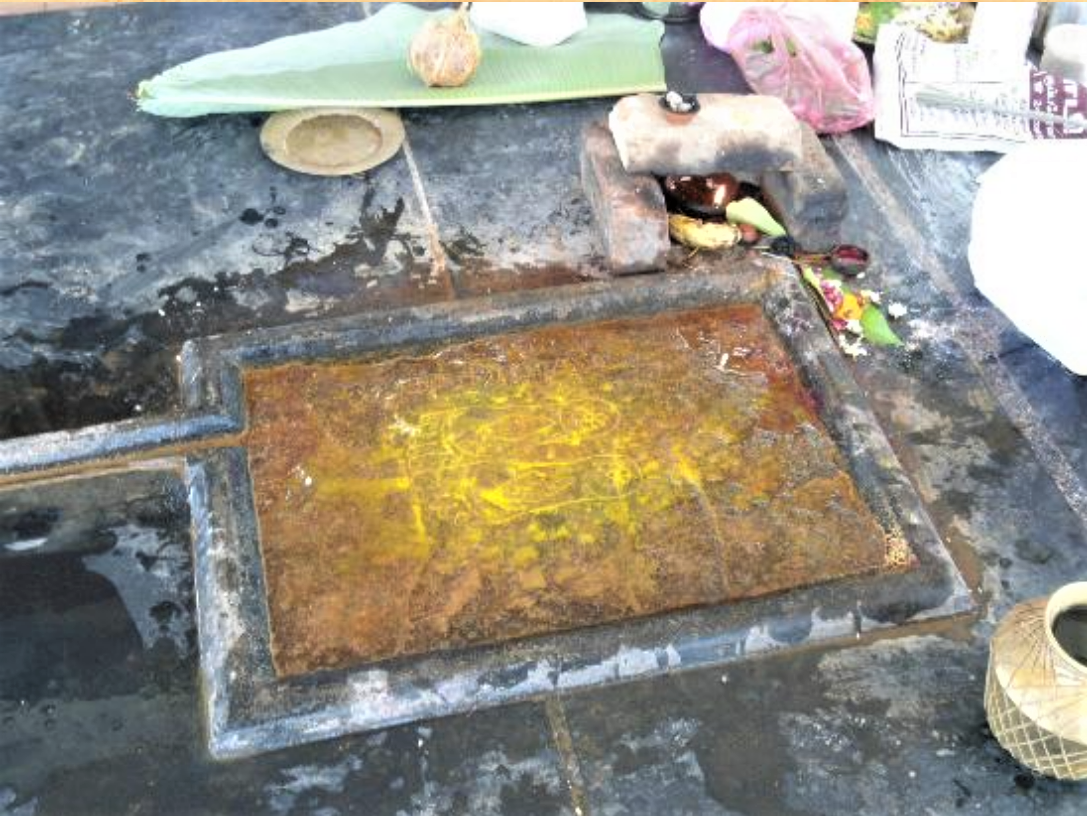
Rudra Padam is located beneath the sacred Vadaval tree, near Chandra Theertham, within the premises of the Sri Swetharanyeswarar Temple. The footprint preserved at this location is traditionally revered as the footprint of Lord Shiva.
This sacred spot gives Thiruvengadu an important place in ancestral worship. Devotees visit to offer prayers and perform traditional rites for their departed parents, grandparents, and other ancestors.
The peaceful surroundings of the ancient tree and the nearby temple tank create a setting for prayer, remembrance, and reflection. For many families, visiting Rudra Padam is an opportunity to honour their ancestors and continue the religious customs passed down through generations.
Importance of Ancestral Worship at Rudra Padam
One of the principal reasons devotees visit Rudra Padam is to perform Pitru rituals, including Thithi, Tharpanam, and Shrardham (also spelled Shraddham). These ceremonies are performed in remembrance of departed family members and express gratitude for the generations that came before us.
In Hindu tradition, ancestors are remembered with respect, and families believe that performing prescribed rites with sincerity helps bring peace to the departed souls and blessings to the living family. Rudra Padam is regarded by devotees as a particularly sacred place for these observances
The main ancestral rites associated with this sacred place include:
- – Thithi: A customary observance performed on the appropriate lunar date in memory of a deceased family member.
- – Tharpanam: A traditional offering made with water and other prescribed materials as an act of remembrance and reverence.
- – Shrardham: A ceremony conducted according to family tradition to honour departed ancestors.
Families may visit on the relevant death anniversary, Amavasya (new moon day), or other dates prescribed by their family customs and religious tradition. A priest can guide devotees regarding the appropriate date, materials, and procedure for each ceremony.
Spiritual Significance of Rudra Padam
Rudra Padam holds a special place in the hearts of Shiva devotees because it represents the divine presence of Lord Shiva in a sacred footprint. Lord Shiva is worshipped as the supreme force of transformation, compassion, and liberation. Devotees approach this place with faith, seeking spiritual strength and the grace to face life’s challenges.
The observance of ancestral rites here also reminds families of the importance of gratitude, responsibility, and continuity between generations. Remembering ancestors is not merely a religious activity; it can also be a meaningful expression of family identity and respect for one’s heritage.
Traditional beliefs associate performing ancestral ceremonies at Rudra Padam with the removal of Pitru Dosha-related difficulties and the blessings of ancestors. Some local traditions also speak of spiritual benefits extending across generations. These are matters of religious faith and should be understood as traditional beliefs rather than scientifically established outcomes.
Rudra Padam and the Significance of Amavasya
Amavasya is considered an important day for ancestral remembrance in many Hindu traditions. On this day, families may perform Tharpanam and other prescribed rites for their departed relatives.
Rudra Padam at Thiruvengadu receives devotees who wish to observe these customs in a sacred temple setting. During significant observances such as Aadi Amavasya, devotees gather to perform ancestral rites and offer prayers. Reports of Aadi Amavasya worship at Thiruvengadu describe families conducting Tharpanam and Thithi ceremonies at the Rudra Padam area.
Devotees planning a visit on Amavasya or another auspicious day should confirm the arrangements and expected crowd levels with the temple authorities or local priests.
How to Perform Worship at Rudra Padam
Visitors who wish to perform ancestral rites at Rudra Padam should follow the temple’s customary procedures.
1. Consult a priest: Explain the purpose of your visit and whether you intend to perform Tharpanam, Thithi, or Shrardham.
2. Confirm the date: Ask about the appropriate lunar date and the timing of the ceremony.
3. Arrange the required materials: Follow the priest’s instructions regarding ritual offerings and other necessities.
4. Perform the ceremony respectfully: Observe the prescribed procedures and maintain the sanctity of the temple premises.
5. Offer prayers to Lord Shiva: After completing the rites, devotees may seek the blessings of Lord Swetharanyeswarar and Goddess Brahmavidyambigai according to the temple’s worship practices.
The exact procedure may vary depending on family tradition, the type of ceremony, and the guidance of the officiating priest. Visitors should not assume that all rites follow the same procedure.
Why Should You Visit Rudra Padam at Thiruvengadu?
Rudra Padam is an important destination for devotees who wish to combine Shiva worship with ancestral remembrance. Its sacred association with Lord Shiva, location beneath the revered tree, and connection with traditional Pitru rites distinguish it within the Thiruvengadu temple complex.
A visit can be meaningful for people who wish to:
– Honour departed parents and ancestors.
– Observe traditional Thithi and Tharpanam ceremonies.
– Learn about Tamil Hindu ancestral customs.
– Experience the spiritual heritage of Thiruvengadu.
– Offer prayers at one of the temple’s distinctive sacred locations.
Thiruvengadu is also widely known as a Navagraha pilgrimage centre associated with Lord Budhan. Devotees visiting for Rudra Padam may therefore explore the temple’s other important shrines and learn about its rich Shaivite traditions.
Conclusion
Rudra Padam is one of the spiritually significant features of Thiruvengadu Swetharanyeswarar Temple. Revered as the sacred footprint of Lord Shiva, it is especially associated with ancestral rites and prayers for departed family members. For devotees, the place represents remembrance, gratitude, faith, and the continuing bond between generations.
Whether visiting on Amavasya, an ancestral death anniversary, or another suitable day, devotees should approach Rudra Padam with devotion and follow the guidance of the temple priests. Through its distinctive traditions and sacred setting, Rudra Padam continues to contribute to the religious and cultural importance of Thiruvengadu.
Related Posts


About The Author

